How Gentle, Structured Walking Helps You Rebuild After Setback, Illness, or Burnout
Recovery doesn’t usually fail because people don’t care.
It fails because they try to restart the same way they started before the setback.
Whether you’re recovering from illness, injury, cancer treatment, emotional burnout, weight gain, or a difficult season of life, the instinct is often the same: do more, push harder, get back to where I was.
But recovery doesn’t begin with intensity.
It begins with stability.
And for many people, that stability starts with walking.
Why Walking Matters During Recovery

Walking is one of the few forms of movement that supports both physical and emotional recovery at the same time.
It helps:
restore circulation and mobility
calm the nervous system
reduce mental overload
rebuild confidence through consistency
create rhythm when life feels disrupted
But here’s the key distinction most people miss:
Walking alone is not enough.
How you approach walking during recovery matters.
Without the right mindset and structure, people often:
overdo it on “good” days
shut down on low-energy days
lose confidence when consistency breaks
start and stop repeatedly
This is where recovery-focused walking becomes different from general fitness walking.
What This Episode Covers
In this episode of the Walking for Health and Fitness Podcast, I talk about why walking is often the first place recovery actually works—and why so many people struggle when they treat recovery like a performance goal instead of a rebuilding process.
You’ll learn:
why recovery doesn’t respond to “push harder” thinking
how walking helps re-establish physical and emotional stability
why structure is essential during recovery (not intensity)
how to restart movement without fear of doing too much
where most people get stuck after illness, injury, or burnout
This episode is for anyone who feels like they know walking is helpful—but isn’t sure how to use it properly during recovery.

Recovery Is Not About Getting Back
One of the most difficult parts of recovery is identity.
Trying to get back to who you were.
Trying to match old expectations.
Trying to force progress instead of allowing it.
Recovery works better when you stop trying to go backward—and start moving forward as you are now.
Walking becomes powerful again when it’s:
intentional
flexible
supportive
repeatable
That’s where mindset and movement reconnect.
A Calm Starting Point: Think Fit, Walk Fit
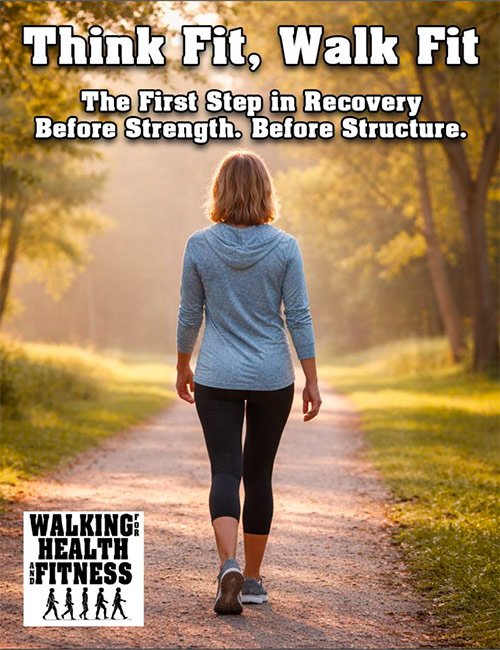
If this episode resonates, the next step is not more information—it’s clarity.
That’s why I created Think Fit, Walk Fit, a free guide designed specifically for people in recovery.
It’s not a workout plan.
It’s not a fitness challenge.
It’s a recovery-first starting point that helps you:
steady your mindset
clarify your “why” for walking right now
set recovery-appropriate goals
rebuild consistency without pressure
regain confidence one step at a time
👉 Download the Free Think Fit, Walk Fit Guide
A calm, structured way to begin recovery through walking—without overwhelm.
Final Thought
Recovery doesn’t require intensity.
It requires clarity, consistency, and care.
Walking can be the foundation—but only when it’s approached the right way.
This episode will help you understand why walking works in recovery, and Think Fit, Walk Fit will help you begin.
Walk on & STRONG,
Frank S. Ring
Author: Walking for Health and Fitness, Fitness Walking and Bodyweight Exercises, Walking Inspiration, Walking Logbook Journal , and Walking Works Blueprint


